Empathy
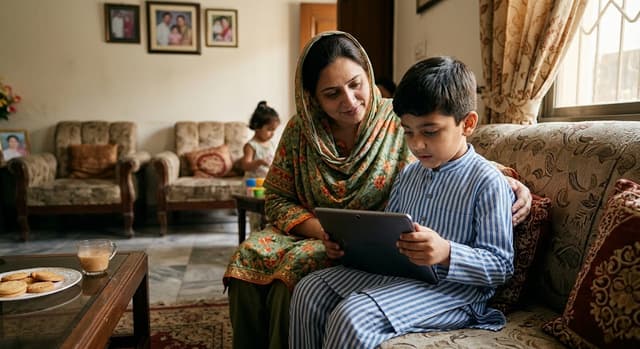
We believe in understanding the problem through a customer-focused lens.
Edsistive exists to make inclusive education work in Pakistan — from diagnosing learning disabilities, through the support a child receives in class, to the systems institutions run behind it. We take an R&D approach: study the problem properly, then ship a product a family, a teacher or a clinician can actually use.
We began with autism and dyslexia. In Pakistan both are hard to diagnose and hard to manage — specialist assessment is expensive and often distant, so families wait, teachers guess, and the years where early support matters most pass by.
We surveyed clinicians, parents and teachers to understand why diagnoses are missed, then built tools to close the distance: screening, remediation, clinical systems and free public platforms.
What we learned there applied far more widely, and the work grew into the whole inclusive education space — ADHD, language and learning differences, and the institutions that serve them. In 2024 we opened NEST Institute, our sister centre, so families could get the care alongside the technology rather than hunting for it separately.
Six commitments that decide what we build, what we refuse, and how a project is judged when it is finished.
We believe in understanding the problem through a customer-focused lens.
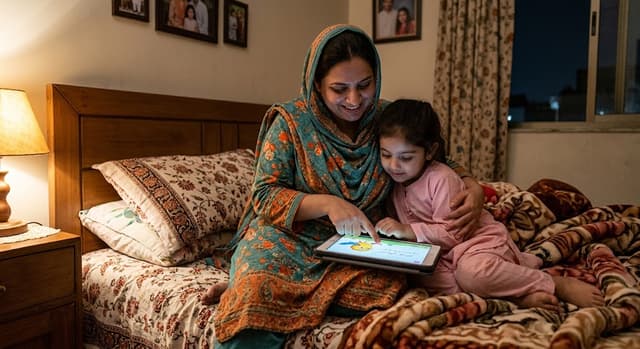
We believe in making education accessible to people with special needs.
We use innovative methods to make our programs and solutions more effective.
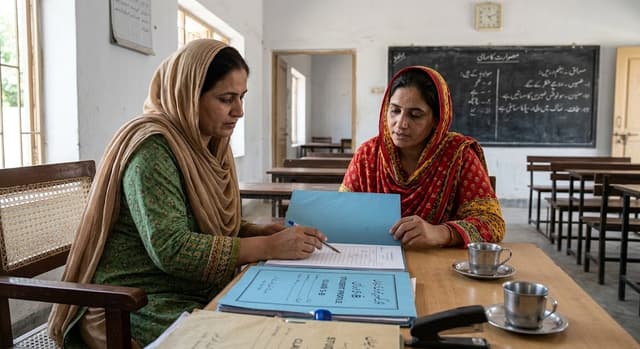
We conduct meticulous research and rigorous testing to ensure a seamless user experience.
We believe in continuous improvement and conduct ongoing research on existing products.
We believe in prioritizing the mental health of our users.
Every product follows the same path. It is slower than shipping from a brief, and it is why the tools hold up in a Pakistani classroom rather than only in a demo.
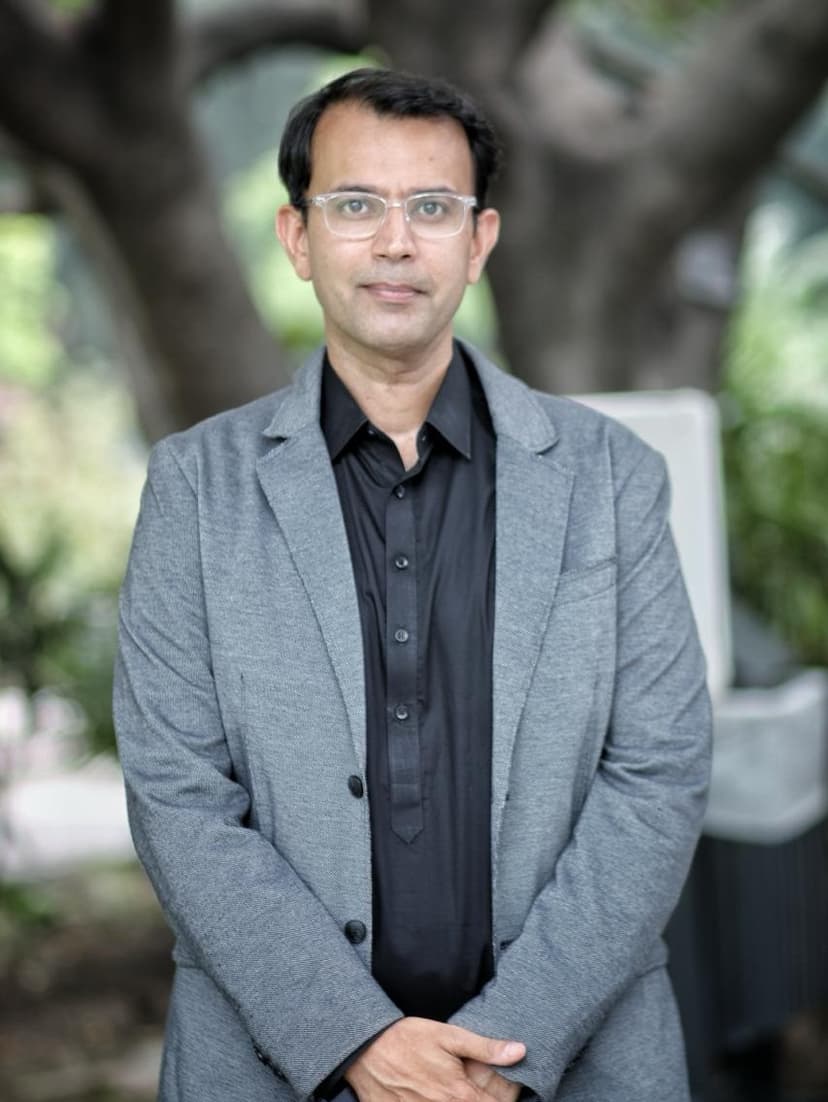
Researchers, technologists, designers and psychologists. Small enough that everyone has been in a classroom or clinic with the people we build for.
In 2026 we opened NEST Institute — Neurodevelopment Evaluation, Support and Transformation, our sister centre that runs screening, diagnosis, therapy and long-term guidance as one connected service. We build the tools; NEST provides the care around them.
More about NEST →
Schools, universities and clinics host the research that shapes our tools, trial the prototypes, and tell us plainly when something does not work in a real classroom. These are the institutions we have worked with.






Writing on autism, screening and assistive technology — for families and practitioners, not for other researchers.
Whether you want to build something with us, join the team, or partner on research — start with a message.