Using Rawaan at home: what parents taught us
We built the app so a child could play it alone. Families used it as something they do together, and that turned out to matter more than the design.
Rawaan was designed for independent play. A child with some experience of a tablet can open it, work through a lesson and close it again without an adult present. That was deliberate: most parents we spoke to were already stretched, and a tool that demanded an hour of supervision was a tool that would be used twice.
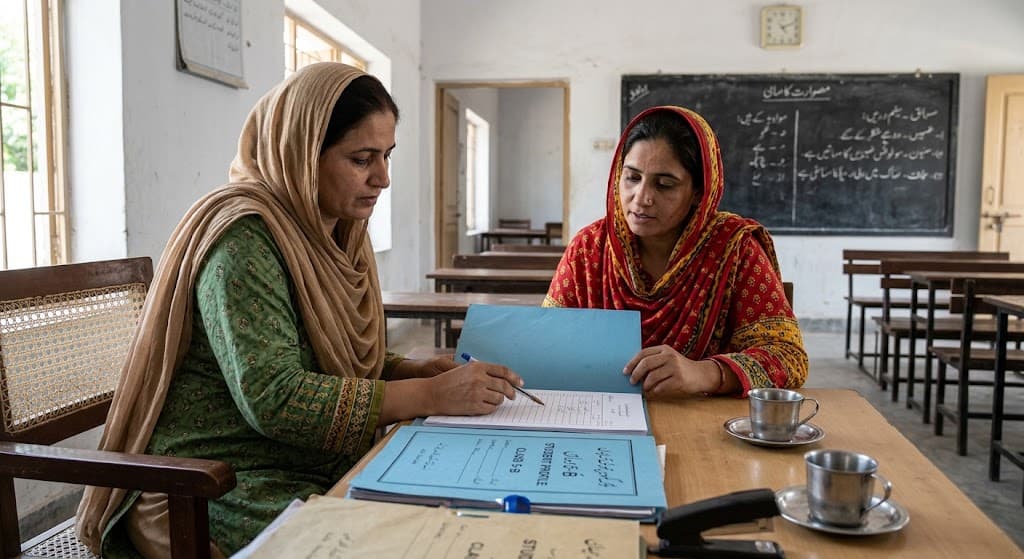
What families actually do is different. Almost every household we followed turned it into something shared — after homework, before dinner, one parent nearby. The children asked for the company. Below is what has worked for them.
Short, and at the same time each day
Fifteen to twenty minutes, five days a week, beats an hour on a Sunday. Remediation depends on repetition close together, and a fixed slot removes the daily negotiation about whether it is happening. Parents who attached it to something already routine — straight after a snack, before a favourite programme — kept it going longest.
Sit nearby, not over
The strongest single piece of advice we can give is to resist correcting. The game adapts on its own: a wrong answer lowers the difficulty, a run of right ones raises it. A parent stepping in to supply the answer breaks that loop and, worse, turns a game the child owns into a test they are failing in front of someone.
One mother put it well: the app is his, the report is mine. We have not improved on that description.
The report is for you and the school
Rawaan reports which areas a child has mastered and which still need practice. Read it weekly rather than daily — progress at this age is uneven, and a bad Tuesday means very little. Where it earns its keep is in a meeting with a teacher. A parent who can say precisely which skills have moved and which have not is a parent who gets a specific response rather than a general reassurance.
What to expect
Rawaan is remedial therapy, not a cure, and it works on the mechanics of reading and spelling rather than on confidence directly. Confidence tends to follow anyway, and parents usually notice that first. If your child is reluctant after a fortnight of honest attempts, tell us — that is information about the app, not about your child.
The first Urdu-based remedial therapy tool for dyslexia, delivered as a game that adapts to the child's level in real time.
About Rawaan